
Preparation for Orthognathic Surgery
Preparation for Orthognathic Surgery
Orthognathic surgery refers to surgical treatments performed to correct skeletal position problems of the lower jaw, the upper jaw or both jaws. In severe jaw discrepancies that cannot be corrected by moving the teeth alone, orthodontic treatment and jaw surgery can be planned together.
For the surgery to result in a successful and balanced bite, the teeth need to be moved into suitable positions before the operation. This process is called “orthodontic preparation for orthognathic surgery”.
At Dent Assos, pre-surgical orthodontic preparation is planned individually by evaluating the patient's teeth, jaw relationships, facial profile and treatment needs. The surgical stage is carried out in coordination with the oral and maxillofacial surgery team.
Orthognathic surgery is a treatment that aims to surgically correct the position of the jawbones. Severe discrepancies between the upper and lower jaws may not be correctable with braces or clear aligners alone.
In such cases, the teeth are prepared for surgery with orthodontic treatment, and then the jawbones are surgically moved to the planned position. After the operation, orthodontic treatment continues for a while to fine-tune the bite.
Treatment is usually carried out through the joint assessment and planning of an orthodontist and an oral and maxillofacial surgeon.
Orthognathic treatment can be considered in the following situations:
- A lower jaw that is clearly too far forward or back
- An upper jaw that is too far forward, too far back or underdeveloped
- Upper and lower jaws positioned out of harmony with each other
- Open bite
- Severe crossbite
- Noticeable facial asymmetry
- Difficulty chewing due to jaw discrepancy
- Teeth that cannot be brought into a harmonious bite with orthodontic treatment alone
- Speech or functional problems caused by the jaw structure
- A skeletal problem that clearly affects the facial profile
The decision for orthognathic surgery is not made based on aesthetic expectations alone. Chewing function, the bite, facial balance, growth and development, and general health are evaluated together.
When there is a skeletal discrepancy in the jawbones, the teeth may tilt or move into different positions over time to compensate. This can partly mask the existing jaw problem.
In pre-surgical orthodontic treatment, the teeth are moved into the positions they should have on their own jawbones. This way, when the jaws are moved to the planned position during surgery, the aim is for the upper and lower teeth to bite together in a balanced way.
During this preparation period, the patient's current bite may temporarily look more pronounced or irregular. This change can be an expected stage of the treatment plan and is necessary for the bite targeted after surgery.
At the start of treatment, a detailed clinical and radiographic assessment is carried out. The patient's teeth, jaw structure, facial proportions and bite are examined.
The following records may be used during planning:
- Intraoral and facial photographs
- Digital or conventional dental impressions
- Panoramic radiograph
- Cephalometric radiograph and measurements
- Three-dimensional imaging when necessary
- Assessment of jaw movements and the bite
- The patient's medical and treatment history
The orthodontist and surgeon evaluate these records together and plan the positions the jaws and teeth need to reach.
Before orthognathic surgery, fixed orthodontic appliances are most often used. With brackets and wires, crowded teeth are aligned, tooth angles are corrected and the dental arches are prepared for the jaw position after surgery.
Pre-surgical orthodontic preparation may include:
- Aligning crowded teeth
- Adjusting the shape and width of the dental arches
- Correcting the angles of the teeth on the jawbone
- Preparing the upper and lower teeth for their post-surgical position
- Assessing whether any extractions are needed
- Creating a bite suited to the surgical plan
The length of the preparation period depends on the patient's current tooth and jaw structure. Regular orthodontic check-ups must continue throughout treatment.
Healthy teeth and gums are important before orthognathic surgery. If there is active decay, gum disease or infection, these problems may need to be treated first.
During the surgical preparation period:
- Teeth should be brushed regularly.
- The areas around the brackets should be cleaned carefully.
- Interdental cleaning products should be used.
- Gum bleeding or swelling should be monitored.
- Decay and infections should be treated.
- Orthodontic check-ups should not be missed.
Good oral care helps both the orthodontic treatment progress well and the healing period after surgery.
When the teeth have reached a position suitable for surgery, up-to-date photographs, impressions and radiographic records may be taken. How far and in which direction the jaws will be moved is planned by the surgical team.
Orthodontic appliances are usually not removed during surgery. Brackets can help position the jaws during surgery and guide the bite with elastics after the operation.
The surgical procedure is performed in a suitable hospital setting by the oral and maxillofacial surgery team.
After surgery, small adjustments to the bite may be needed according to the new position of the jaws. For this reason, orthodontic treatment continues for a while after surgery.
In the post-surgical period:
- The bite is checked.
- Any small tooth movements still needed are completed.
- Orthodontic elastics may be used.
- Jaw movements and the healing process are monitored.
- Retainers may be fitted once treatment is complete.
Total treatment time may vary depending on the type of jaw problem, the initial position of the teeth, the surgical plan and the patient's compliance with treatment.
At Dent Assos, orthodontic preparation before orthognathic surgery is planned with a detailed assessment and in coordination with the relevant surgical team. At the first examination, the bite, jaw relationships and facial profile are examined and the need for orthognathic treatment is evaluated.
If the position of your jaws is causing problems with your bite, chewing or facial balance, you can contact Dent Assos and book an orthodontic examination.

Who Needs Preparation for Orthognathic Surgery?
At Dent Assos, the orthodontic preparation process is planned together with an oral and maxillofacial surgeon; post-operative adjustments are also followed as part of the treatment.
People with a markedly protruding lower or upper jaw
People with an open bite
People with noticeable facial asymmetry
People with seriously impaired chewing function
Bite problems that orthodontics alone cannot correct
Adults whose jaw growth is complete
Plan your first visit to Dent Assos Dental Clinic.
Contact us to learn about the right treatment process for you and to plan your appointment.
Frequently asked questions about Preparation for Orthognathic Surgery.
It is the process of moving the teeth, before jaw surgery, into positions where they will bite together in a balanced way once the jaws are surgically corrected. This preparation is usually done with fixed orthodontic appliances.
In skeletal jaw problems, the teeth may have tilted to adapt to the existing jaw structure. Pre-surgical orthodontics moves the teeth into the correct positions on their own jawbones and prepares them for the bite after surgery.
In some patients, as the compensating positions of the teeth are corrected, the existing jaw discrepancy may become more noticeable. This can be an expected stage of the treatment plan.
Fixed orthodontic appliances usually stay on the teeth during and after surgery. Brackets can help position the jaws during surgery and adjust the bite afterwards.
Pre-surgical preparation, surgery and post-surgical orthodontics together can make up a long treatment process. The total time depends on the patient's jaw structure, the position of the teeth and their response to treatment.
Explore our treatment options.

Treatment of Jaw Disorders
Harmony between the jaws and with the overall structure of the face is important not only for an aesthetic smile but als...
Explore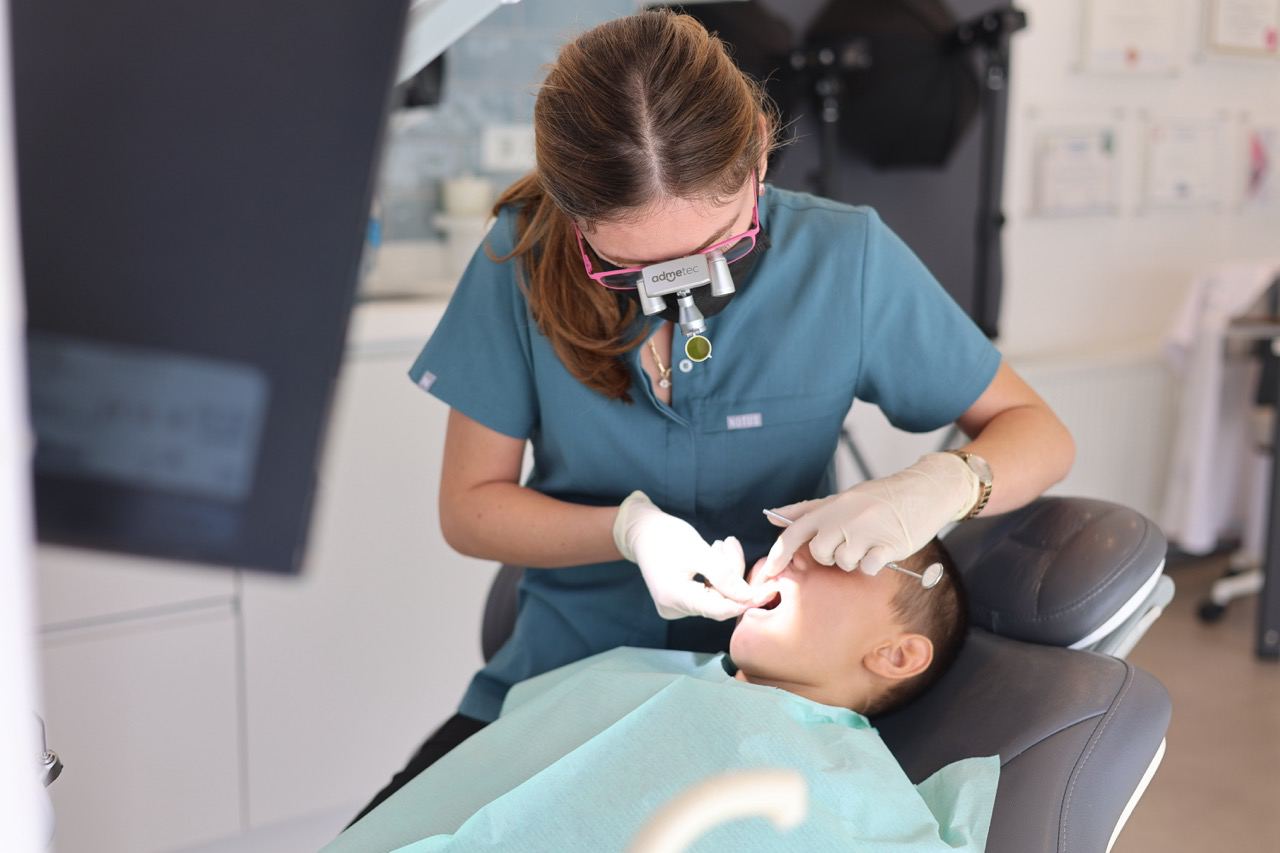
Pediatric Dentistry
Pediatric dental treatment covers dental procedures that aim to monitor the healthy development of children's baby and p...
Explore
Gum (Pink) Aesthetics
Pink aesthetics refers to periodontal procedures that aim to improve the health, shape, color and level of the gum tissu...
Explore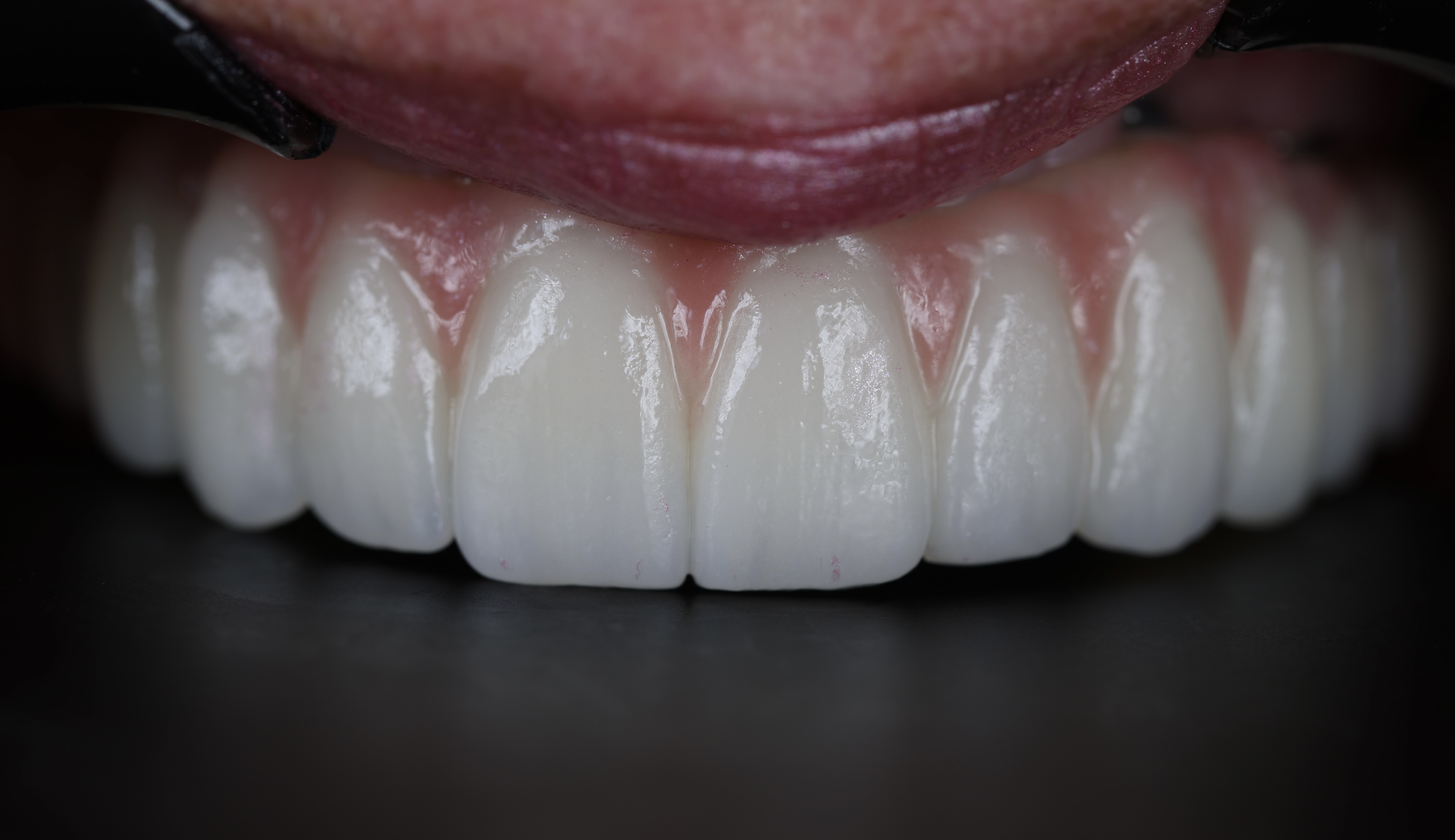
Dentures and Dental Prostheses
Dental prostheses are custom-made restorations designed to restore missing, severely damaged or lost teeth both aestheti...
Explore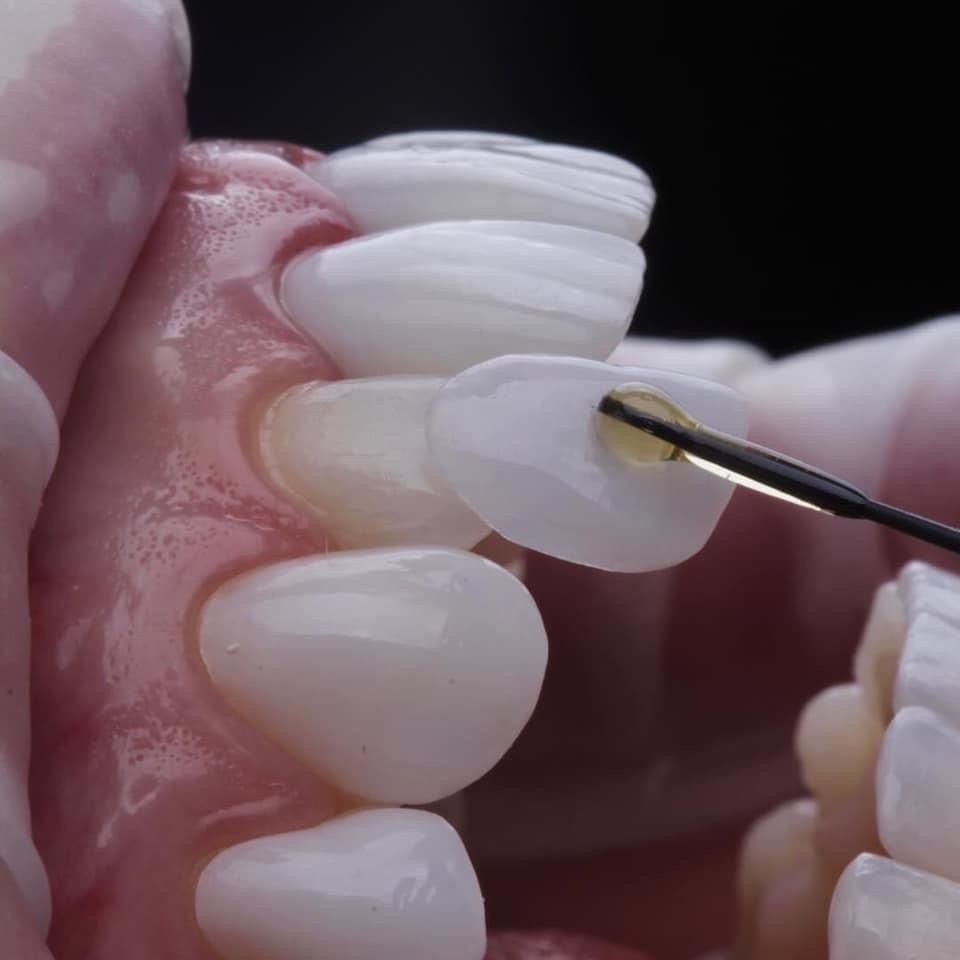
Porcelain Veneers
Porcelain veneers are a cosmetic dental treatment that uses thin ceramic restorations applied to the front surface of th...
Explore
Zirconia Crowns
Zirconia crowns are a treatment method in which teeth that have lost structure or need aesthetic improvement are covered...
Explore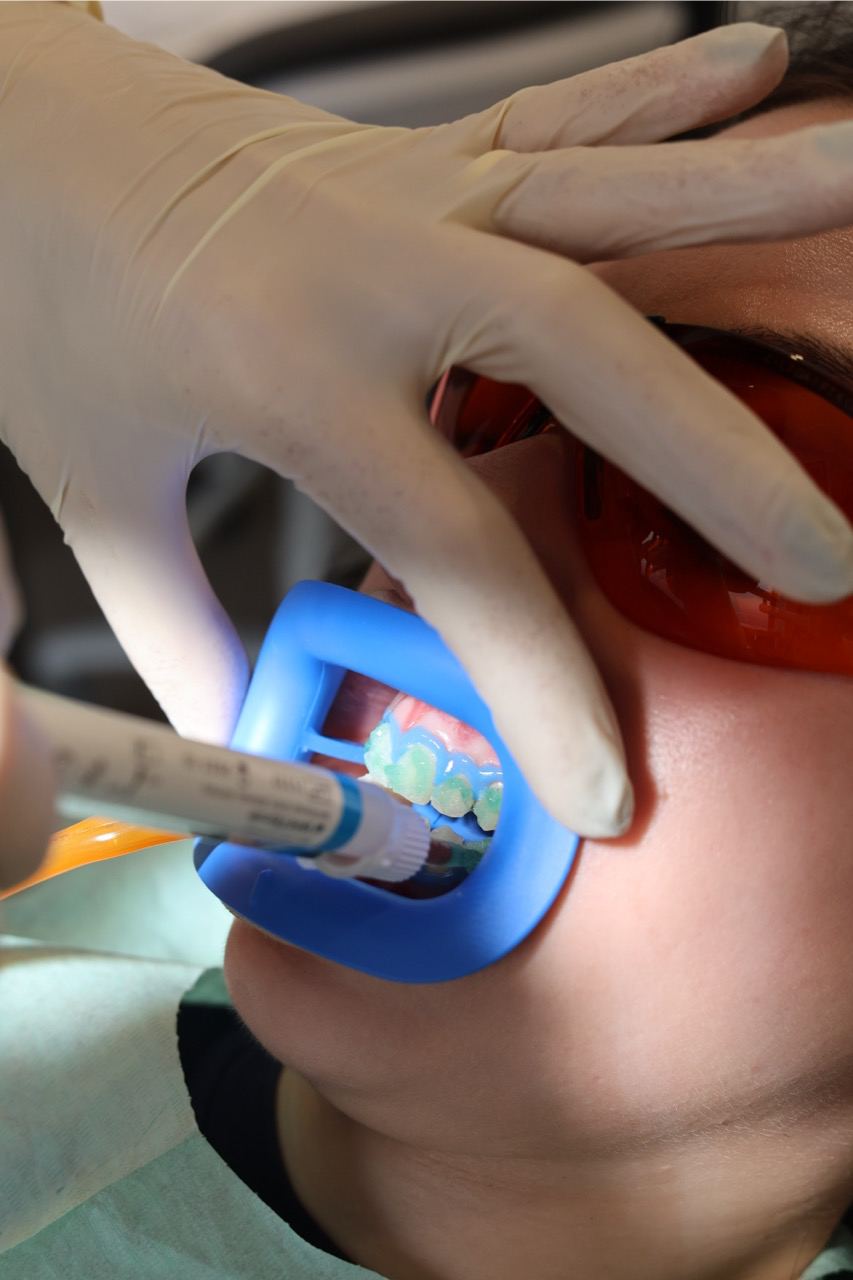
Teeth Whitening
Teeth whitening is a cosmetic dental procedure that aims to reduce discoloration that develops over time on the surface...
Explore
Root Canal Treatment
Root canal treatment is performed when the pulp tissue inside the tooth becomes infected or is irreversibly damaged. Dur...
Explore