
Zirconia Crowns
Zirconia Crowns
Zirconia crowns are a treatment method in which teeth that have lost structure or need aesthetic improvement are covered with zirconia-based restorations. Thanks to their ability to match natural tooth color and their durability, they can be used on both front and back teeth.
At Dent Assos, zirconia crown treatments are planned individually by evaluating the patient's tooth structure, bite, oral health and aesthetic expectations. The aim is not only to change the appearance of the teeth but also to restore the necessary function and harmony between the teeth.
Zirconia crowns are dental restorations made using a zirconium dioxide framework or full zirconia materials. Unlike traditional metal-supported crowns, they do not contain a metal framework.
Their ability to transmit and reflect light may vary depending on the type of zirconia used. This helps achieve an appearance close to the natural structure of the teeth. Zirconia crowns can be placed on a single tooth and, in suitable cases, can also be used in bridge restorations.
Zirconia crowns can be considered in the following situations:
- Teeth with extensive loss of structure
- Teeth weakened by large fillings
- Broken or cracked teeth
- Teeth whose discoloration cannot be corrected by other methods
- Teeth with shape and size problems
- Teeth that need strengthening after root canal treatment
- Teeth that have lost structure due to wear
- Cases where missing teeth will be replaced with a bridge
- Suitable cases where the aesthetic appearance is to be redesigned
- Fixed restorations on implants
Not every aesthetic problem requires a crown. When suitable, treatments that affect less tooth tissue, such as fillings, bonding or porcelain veneers, may be considered first.
Zirconia crowns can offer the following benefits:
- An appearance that matches natural tooth color.
- No metal framework.
- Can be used on front and back teeth.
- A restoration option that is durable against chewing forces.
- No dark reflection from metal at the gum line.
- Can be made in a personalized color, shape and size.
- Can be used for single-tooth restorations and suitable bridges.
- Their biocompatible structure is designed to be well tolerated by oral tissues.
The aesthetic and functional result may vary depending on the current condition of the teeth, the treatment plan, the material used and oral care.
Before treatment, the teeth and gums are examined in detail. When necessary, radiographic images are used. If there is decay, gum disease or a need for root canal treatment, these problems may be addressed first.
The main stages of zirconia crown treatment are:
- Evaluating the teeth and the bite
- Determining color and aesthetic expectations
- Preparing the teeth for the crowns
- Taking conventional or digital impressions
- Placing temporary teeth when needed
- Making custom zirconia crowns
- Checking color, shape, fit and bite
- Bonding the crowns to the teeth with suitable materials
Treatment time may vary depending on the number of teeth and any other procedures needed.
The color, form and surface features of zirconia crowns can be planned to match the person's natural teeth. To achieve an aesthetic appearance on the front teeth, the translucency of the teeth, their surface texture and harmony with neighboring teeth are evaluated.
A natural appearance depends not only on how white the crown is but also on the proportions of the teeth in relation to the face, the lips and each other. For this reason, the patient's skin tone, existing teeth and smile line are considered together when choosing the shade.
A zirconia crown is a restoration that largely surrounds the tooth. It is usually preferred for teeth with extensive structural loss, teeth that are broken or teeth that need to be made stronger.
A porcelain veneer is a thinner restoration usually applied to the front surface of the tooth. In suitable cases, it can be done with more limited intervention on the tooth tissue.
Which treatment is suitable is determined by the healthy tooth tissue, the bite, aesthetic expectations and existing problems.
How long zirconia crowns last depends on factors such as the patient's oral care, teeth clenching, bite and continuing with regular check-ups. Properly planned and well-maintained restorations can be used for many years.
Although the crown itself does not decay, the natural tooth tissue underneath can. For this reason, it is important to clean the crown margins regularly and keep the gums healthy.
Zirconia crowns should be brushed regularly, just like natural teeth. The spaces between the teeth need to be cleaned with dental floss, interdental brushes or the care products recommended by your dentist.
Cracking very hard objects with your teeth, biting your nails or opening packaging with your teeth can damage crowns. A protective night guard may be recommended for people who clench or grind their teeth.
If you notice a crown moving or breaking, bleeding gums or discomfort when chewing, you should see your dentist.
At Dent Assos, zirconia crown treatments are planned individually according to the current condition of the teeth and the patient's aesthetic expectations. At the first examination, your dental and gum health is evaluated to determine whether zirconia crowns are suitable for you.
If your teeth are broken, worn, severely discolored or misshapen, you can contact Dent Assos and book an examination appointment.

Who Are Zirconia Crowns Suitable For?
At Dent Assos, the current condition of the teeth, the bite and color expectations are evaluated together, and personalized crowns are planned for each tooth.
Teeth with major loss of structure
Weakened teeth that have had root canal treatment
Teeth with color or shape problems
People who want to replace old metal-supported crowns
Need for aesthetic restorations on implants
People with metal sensitivity
Plan your first visit to Dent Assos Dental Clinic.
Contact us to learn about the right treatment process for you and to plan your appointment.
Frequently asked questions about Zirconia Crowns.
They can be considered for teeth with extensive structural loss, fractures, wear or permanent discoloration. Suitability for treatment is determined by examining the tooth tissue, gum health and the bite.
Their color, shape and surface features can be planned to match the natural teeth. The type of zirconia used and the personalized design affect the final appearance.
Zirconia and porcelain surfaces are more resistant to staining than natural teeth. However, the natural tooth and gum tissue around the crown can be affected by oral care.
How long they last depends on the treatment plan, oral care, chewing forces and regular check-ups. Although crowns are considered permanent, it cannot be guaranteed that they will remain unchanged for life.
A zirconia crown is a restoration that surrounds more of the tooth. A porcelain veneer is a thinner restoration usually applied to the front surface of the tooth. The suitable method is determined according to the tooth tissue.
Explore our treatment options.

Treatment of Jaw Disorders
Harmony between the jaws and with the overall structure of the face is important not only for an aesthetic smile but als...
Explore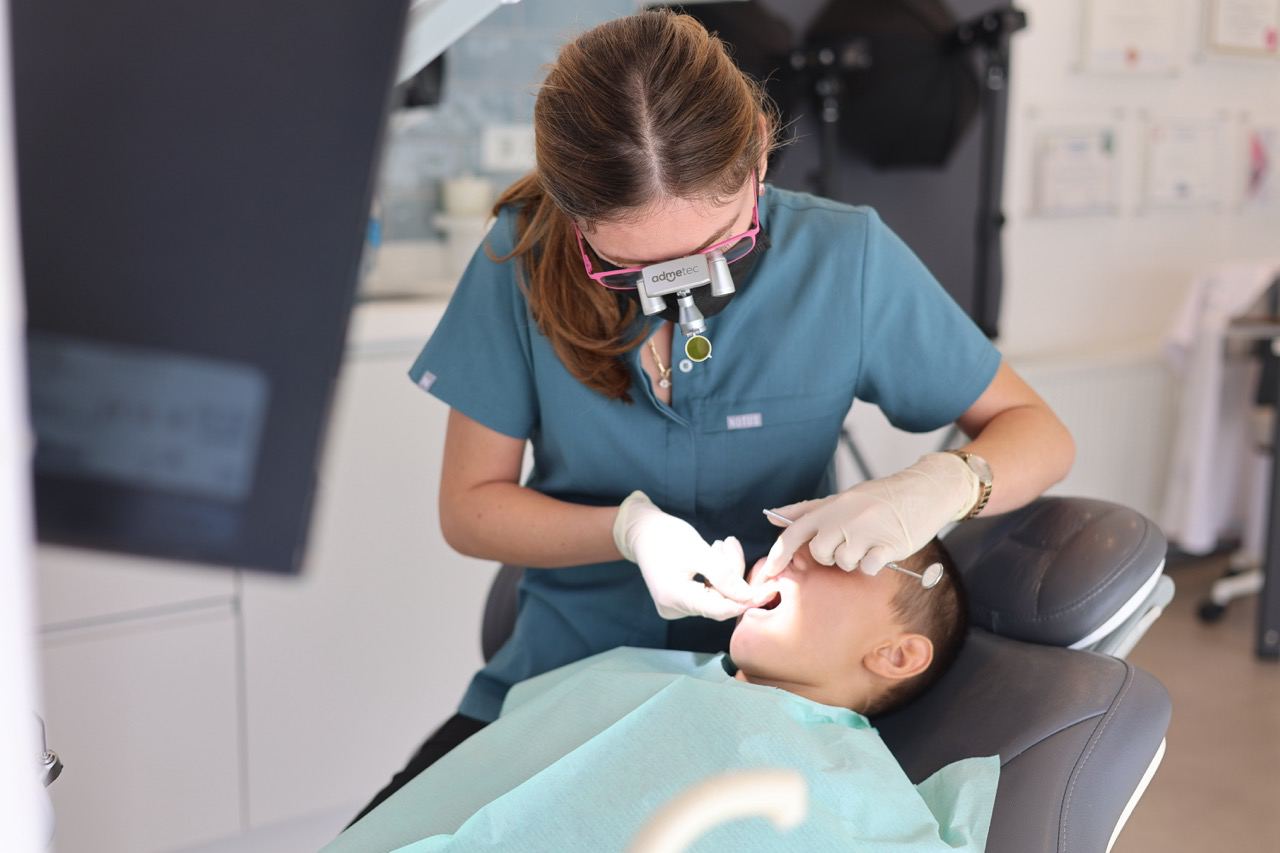
Pediatric Dentistry
Pediatric dental treatment covers dental procedures that aim to monitor the healthy development of children's baby and p...
Explore
Gum (Pink) Aesthetics
Pink aesthetics refers to periodontal procedures that aim to improve the health, shape, color and level of the gum tissu...
Explore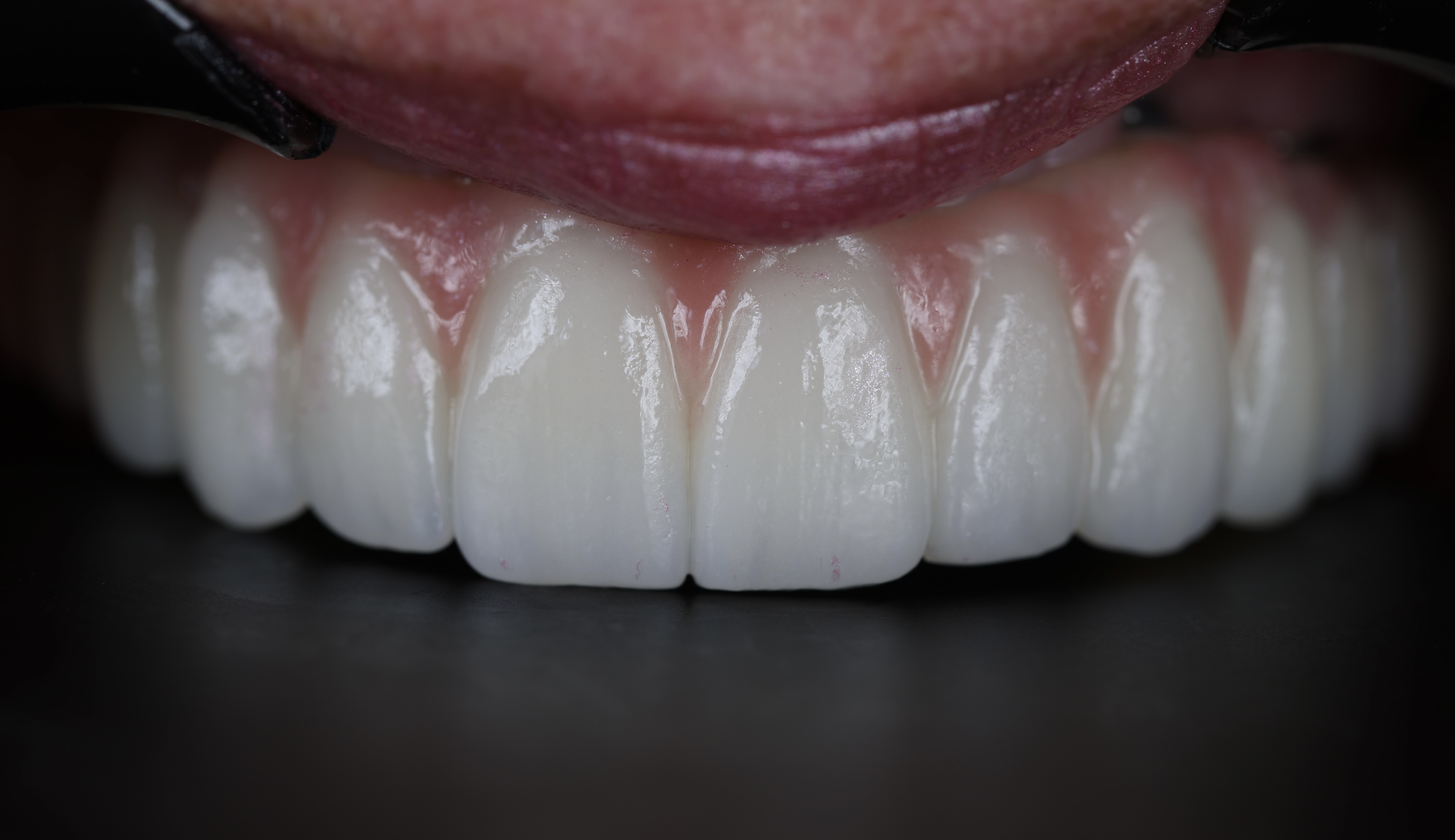
Dentures and Dental Prostheses
Dental prostheses are custom-made restorations designed to restore missing, severely damaged or lost teeth both aestheti...
Explore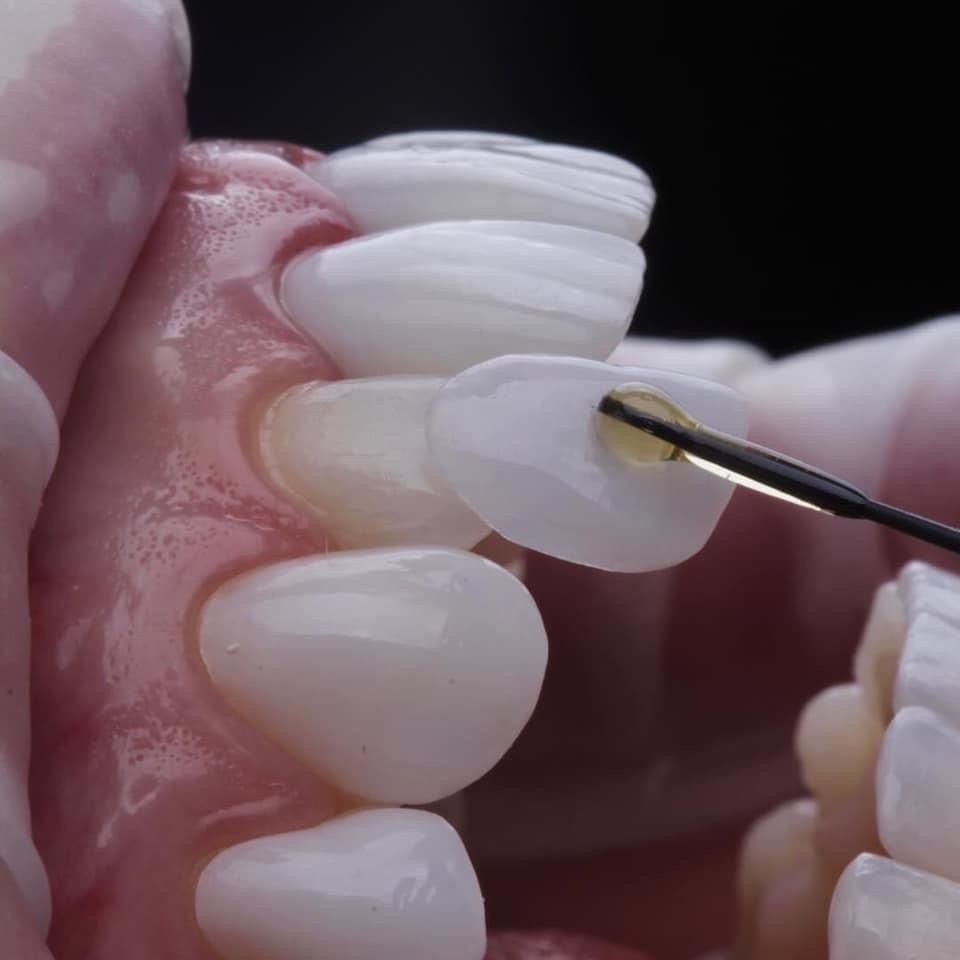
Porcelain Veneers
Porcelain veneers are a cosmetic dental treatment that uses thin ceramic restorations applied to the front surface of th...
Explore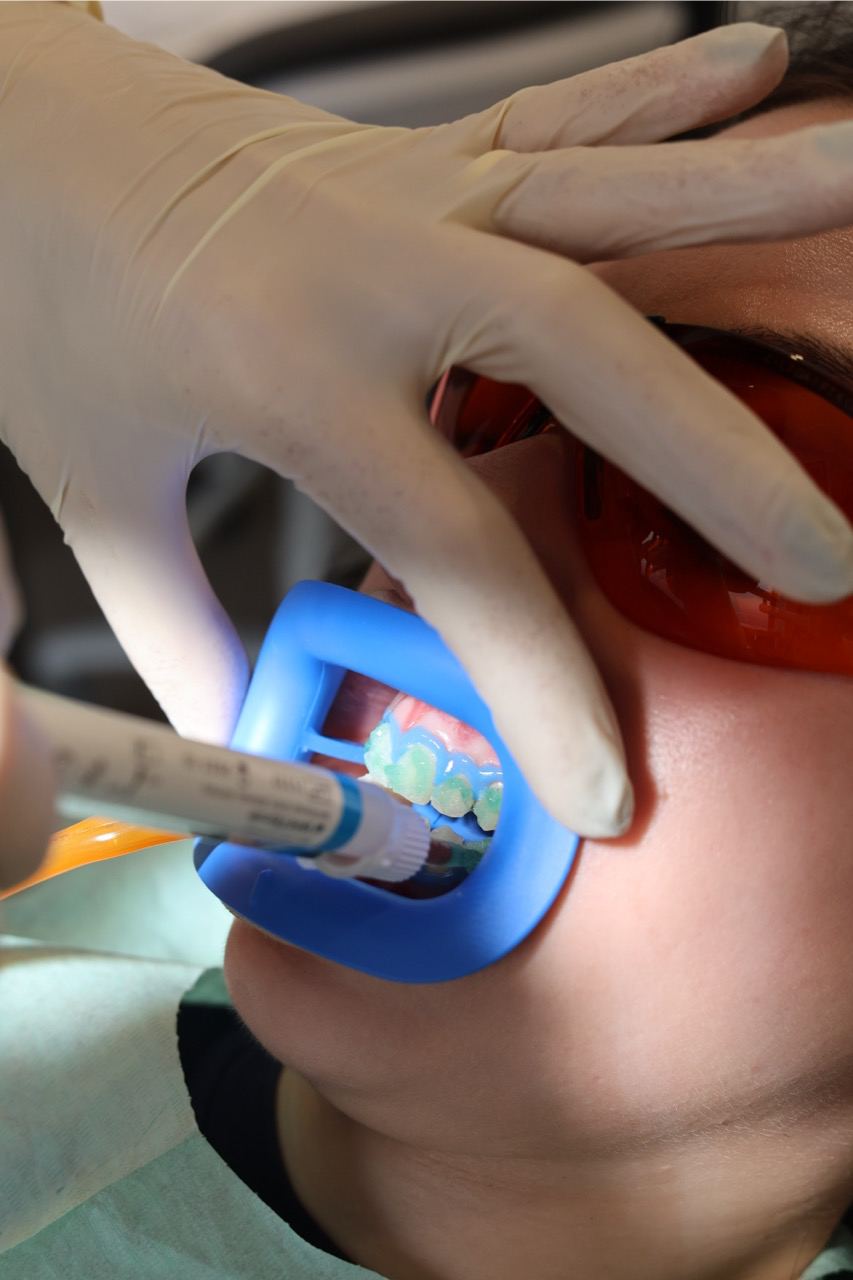
Teeth Whitening
Teeth whitening is a cosmetic dental procedure that aims to reduce discoloration that develops over time on the surface...
Explore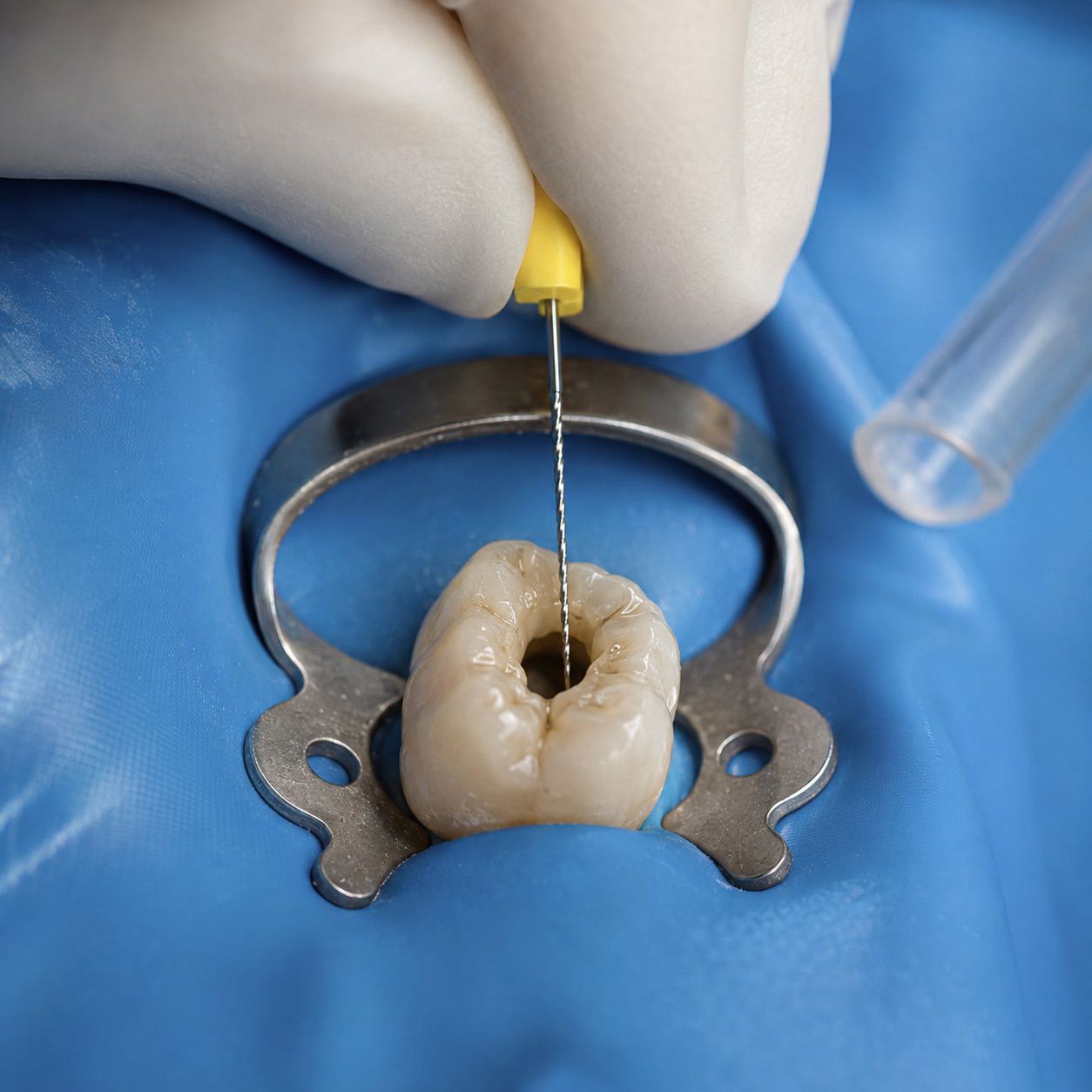
Root Canal Treatment
Root canal treatment is performed when the pulp tissue inside the tooth becomes infected or is irreversibly damaged. Dur...
Explore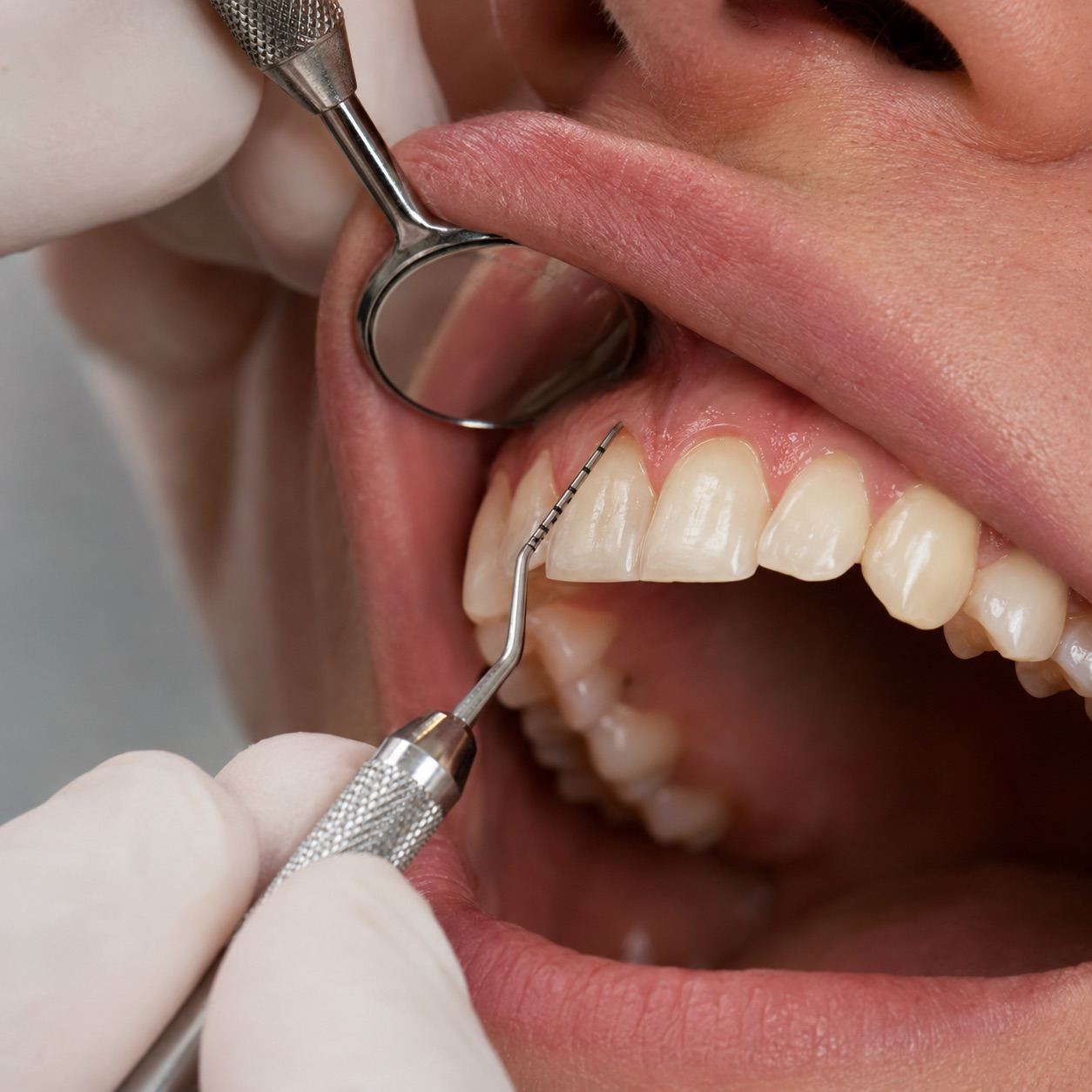
Gum Disease and Periodontal Surgery
Gum diseases are inflammatory diseases that affect the gums, the tissues surrounding the tooth roots and the jawbone tha...
Explore