
Root Canal Treatment
Root Canal Treatment
Root canal treatment is performed when the pulp tissue inside the tooth becomes infected or is irreversibly damaged. During the procedure, the damaged or infected tissue is removed, the root canals are cleaned and shaped, and they are sealed with suitable filling materials.
The main goals of treatment are to control the infection, eliminate the source of pain and keep the natural tooth in the mouth. At Dent Assos, root canal treatments are planned individually by evaluating the current condition of the tooth and the patient's needs.
The outer part of the tooth consists of enamel and dentin, while the inner part contains the pulp tissue with nerves and blood vessels. Bacteria can reach this tissue through deep decay, cracks, fractures or trauma. Inflammation or infection of the pulp can cause severe pain and problems in the tissues around the tooth root.
In root canal treatment, the infected pulp tissue is removed. The root canals are cleaned and shaped with special instruments and solutions. The cleaned canals are filled with suitable materials that help create a seal, and the crown of the tooth is restored.
A root canal assessment may be needed in the following situations:
- Deep tooth decay
- Toothache that starts spontaneously or lasts a long time
- Long-lasting sensitivity to hot and cold
- Pain when biting and chewing
- Darkening of the tooth
- Swelling or an abscess on the gum
- Infection around the tooth root
- Damage to the pulp due to a fracture or crack
- A blow or trauma to the tooth
- Cases where a previous root canal treatment needs to be redone
Some infected teeth can progress without causing noticeable pain. For this reason, a definitive diagnosis is made after a clinical examination and the necessary radiographic investigations.
Before treatment, the tooth is examined and the condition of the roots and surrounding tissues is evaluated with radiographic images. The procedure is usually carried out under local anesthesia.
The main stages of root canal treatment are:
- Numbing the tooth to be treated with local anesthesia
- Accessing the pulp tissue inside the tooth
- Removing infected or damaged tissue
- Cleaning and shaping the root canals
- Filling the canals with suitable materials
- Sealing the tooth with a temporary or permanent filling
- Strengthening the tooth with a crown or another restoration when necessary
Whether root canal treatment is completed in one session or more depends on the state of the infection, the structure of the root canals and how the tooth responds to treatment.
Since root canal treatment is carried out under local anesthesia, the aim is to keep pain under control during the procedure. In some cases where the infection is advanced, the effect of the anesthesia or the patient's comfort may vary.
After treatment, the tooth may feel sensitive or uncomfortable when chewing for a few days. This is usually related to the healing of the surrounding tissues. If severe or long-lasting pain, swelling or anything unexpected occurs, you should see your dentist.
Root canal treatment can offer the following benefits:
- Helps bring the infection under control.
- Eliminates the source of the toothache.
- Can allow the natural tooth to be saved without extraction.
- Helps maintain chewing function.
- Can prevent treatment needs that may arise after tooth loss.
- Supports healing of the tissues around the tooth root.
- Can prevent aesthetic and functional problems caused by a missing tooth.
The success of root canal treatment depends on the initial condition of the tooth, the anatomy of the root canals, the restoration placed and the patient's oral care.
Teeth that are treated correctly and protected with a suitable restoration can stay in the mouth for many years. However, teeth that have had root canal treatment may become more prone to structural loss and fracture over time.
When much of the tooth structure has been lost, restorations such as crowns, inlays or onlays may be recommended in addition to a filling. How the tooth will be restored after treatment is decided according to the amount of healthy tooth tissue remaining.
A tooth that has had root canal treatment before may have an infection that has not healed or that develops later. Missed areas in the root canals, leaking fillings, new decay or damage to the restoration can create the need for retreatment.
In root canal retreatment, the existing canal fillings are removed, and the root canals are cleaned again and properly refilled. Whether the tooth is suitable for retreatment is determined after an examination and radiographic assessment.
After treatment, be careful when eating until the numbness has worn off completely. Until the permanent restoration is complete, avoid chewing very hard foods with the treated tooth.
It is important to brush your teeth regularly, clean between your teeth and attend check-up appointments. Teeth that have had root canal treatment can still decay like other teeth, so oral care must continue.
At Dent Assos, root canal treatments are planned according to the results of a detailed examination and imaging. Before treatment, whether the tooth can be saved is evaluated and the available options are explained to the patient.
If you have constant tooth pain, sensitivity to hot and cold, discomfort when chewing or swelling, you can contact Dent Assos and book an examination appointment.
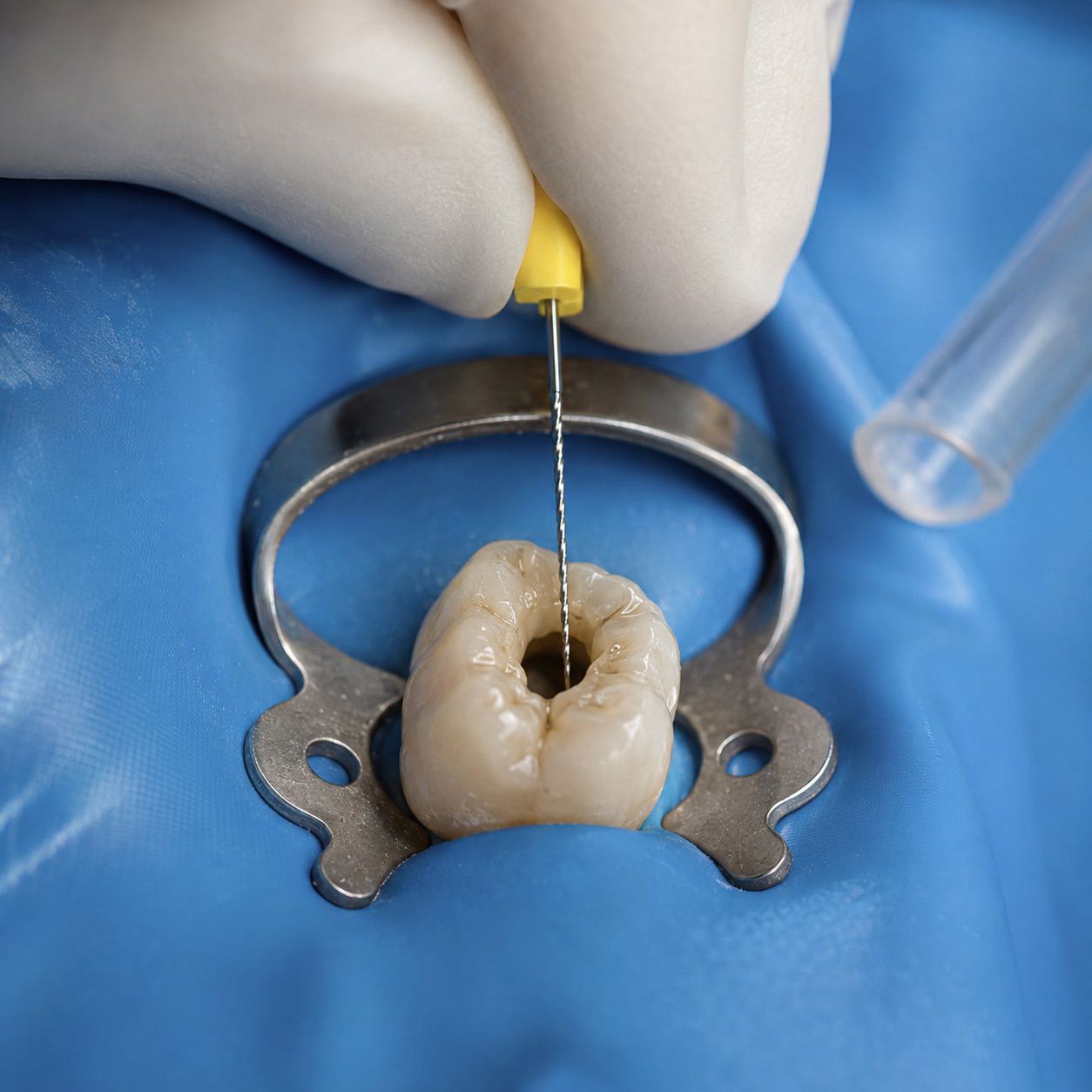
When Is Root Canal Treatment Needed?
At Dent Assos, the condition of the tooth is evaluated with an examination and radiographic images before treatment; a suitable restoration to protect the tooth afterwards is also included in the plan.
Long-lasting or spontaneous pain
Sensitivity to hot and cold that does not go away
Pain when chewing or biting
Swelling or an abscess on the gum
Darkening of a tooth
Teeth with deep decay or fractures
Plan your first visit to Dent Assos Dental Clinic.
Contact us to learn about the right treatment process for you and to plan your appointment.
Frequently asked questions about Root Canal Treatment.
Root canal treatment is usually performed under local anesthesia. Sensitivity may occur for a few days after the procedure. If pain is severe or long-lasting, you should see your dentist.
Depending on the condition of the tooth, it can be completed in one or more sessions. The level of infection, the structure of the root canals and how the tooth responds to treatment affect the number of sessions.
Not every root-canal-treated tooth needs a crown. However, for teeth with significant loss of structure and a high risk of fracture, protective restorations such as crowns, inlays or onlays may be recommended.
Missed areas in the root canals, leaking fillings, new decay or damage to the restoration can cause reinfection. In suitable cases, root canal treatment can be redone.
Teeth that are treated correctly, properly restored and well cared for can be used for many years. How long they last depends on the initial condition of the tooth and oral care.
Explore our treatment options.

Treatment of Jaw Disorders
Harmony between the jaws and with the overall structure of the face is important not only for an aesthetic smile but als...
Explore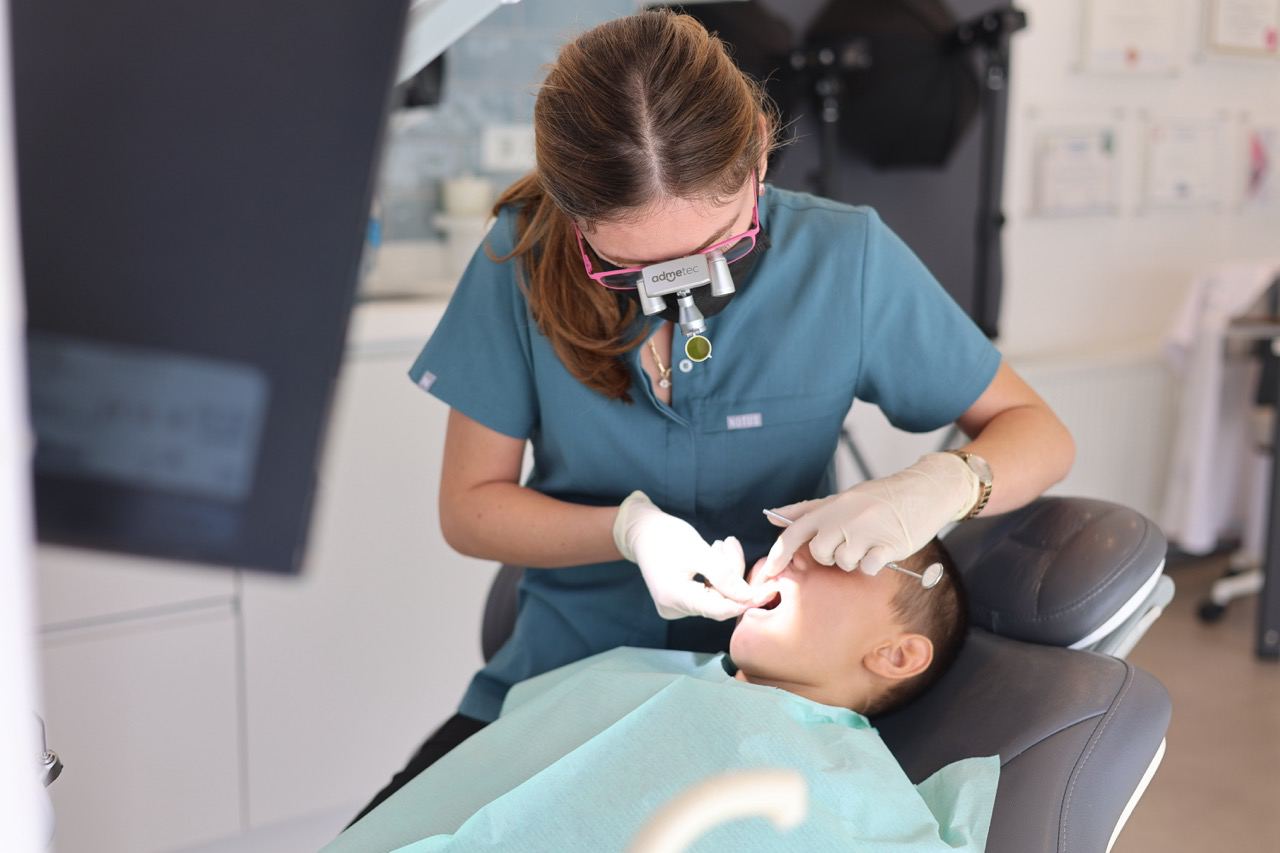
Pediatric Dentistry
Pediatric dental treatment covers dental procedures that aim to monitor the healthy development of children's baby and p...
Explore
Gum (Pink) Aesthetics
Pink aesthetics refers to periodontal procedures that aim to improve the health, shape, color and level of the gum tissu...
Explore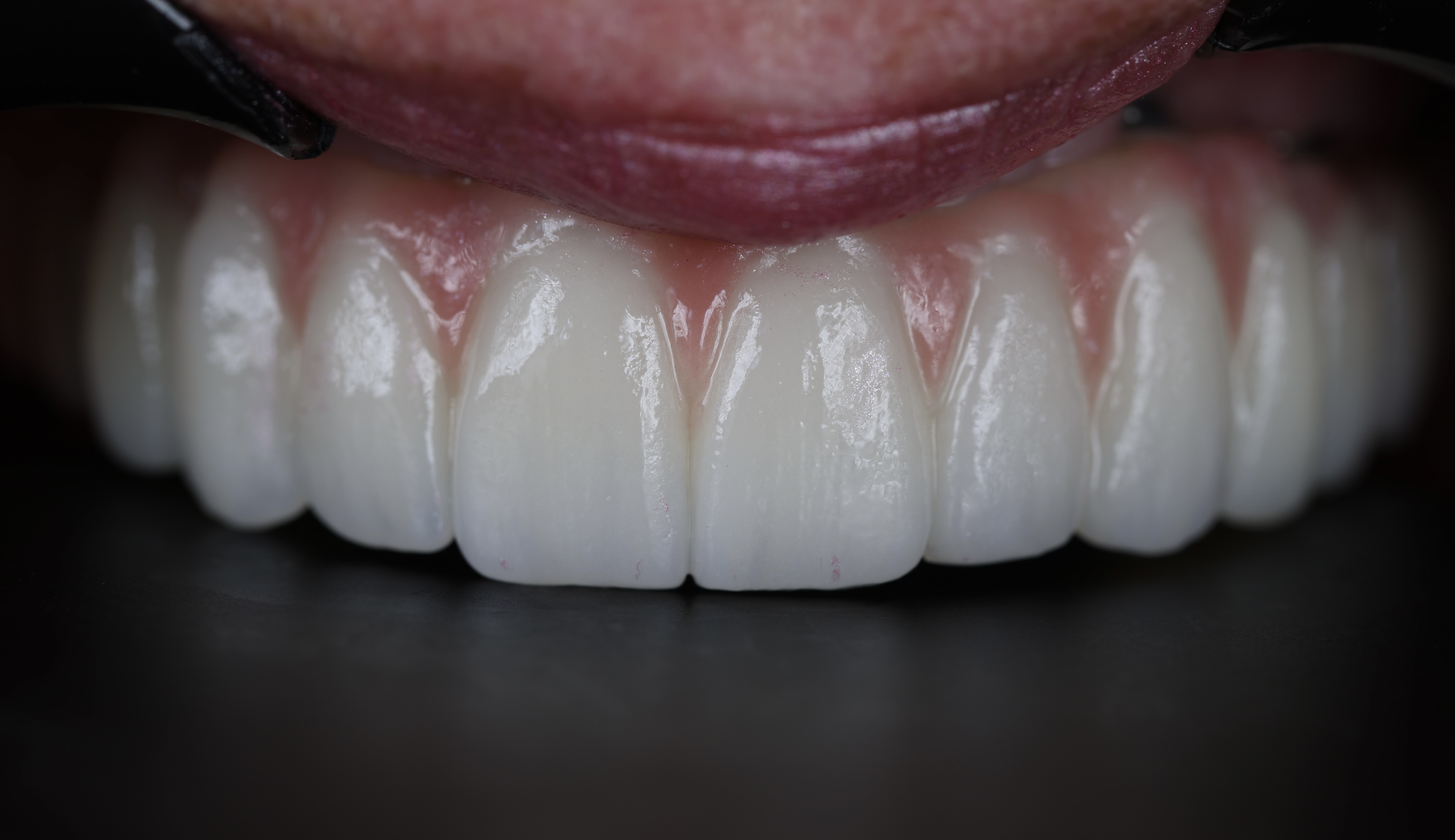
Dentures and Dental Prostheses
Dental prostheses are custom-made restorations designed to restore missing, severely damaged or lost teeth both aestheti...
Explore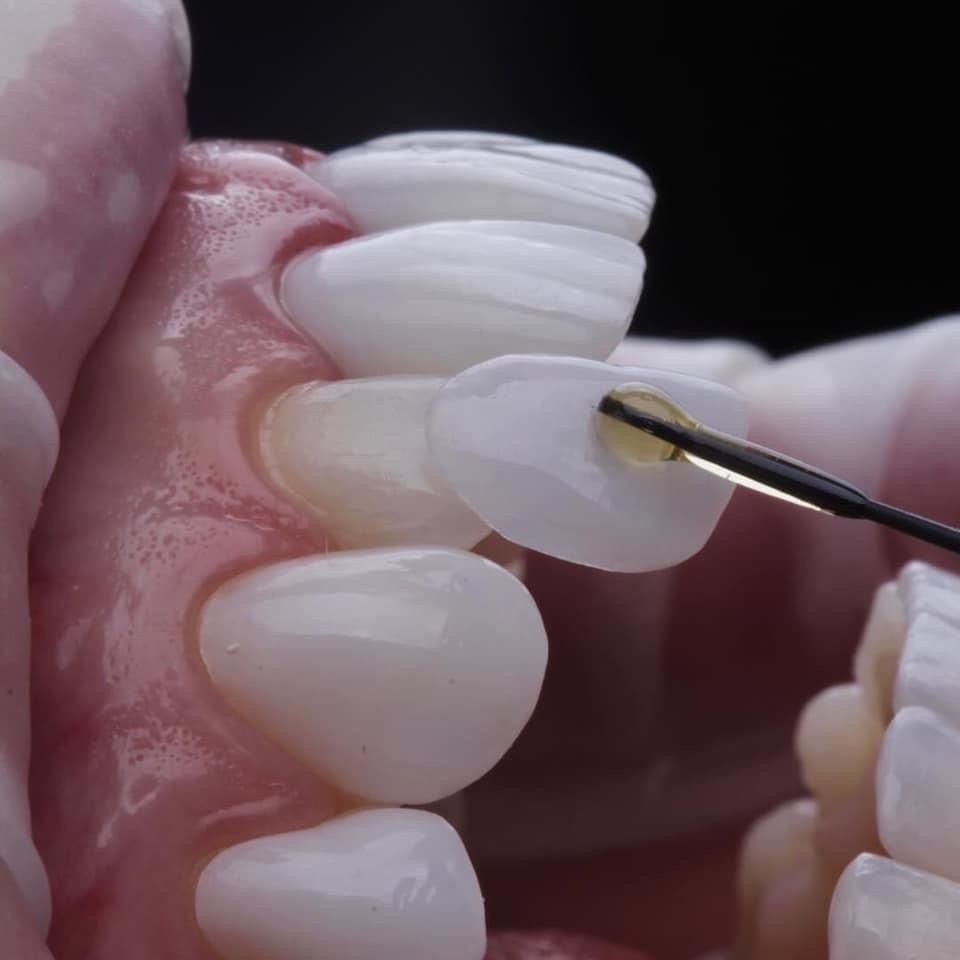
Porcelain Veneers
Porcelain veneers are a cosmetic dental treatment that uses thin ceramic restorations applied to the front surface of th...
Explore
Zirconia Crowns
Zirconia crowns are a treatment method in which teeth that have lost structure or need aesthetic improvement are covered...
Explore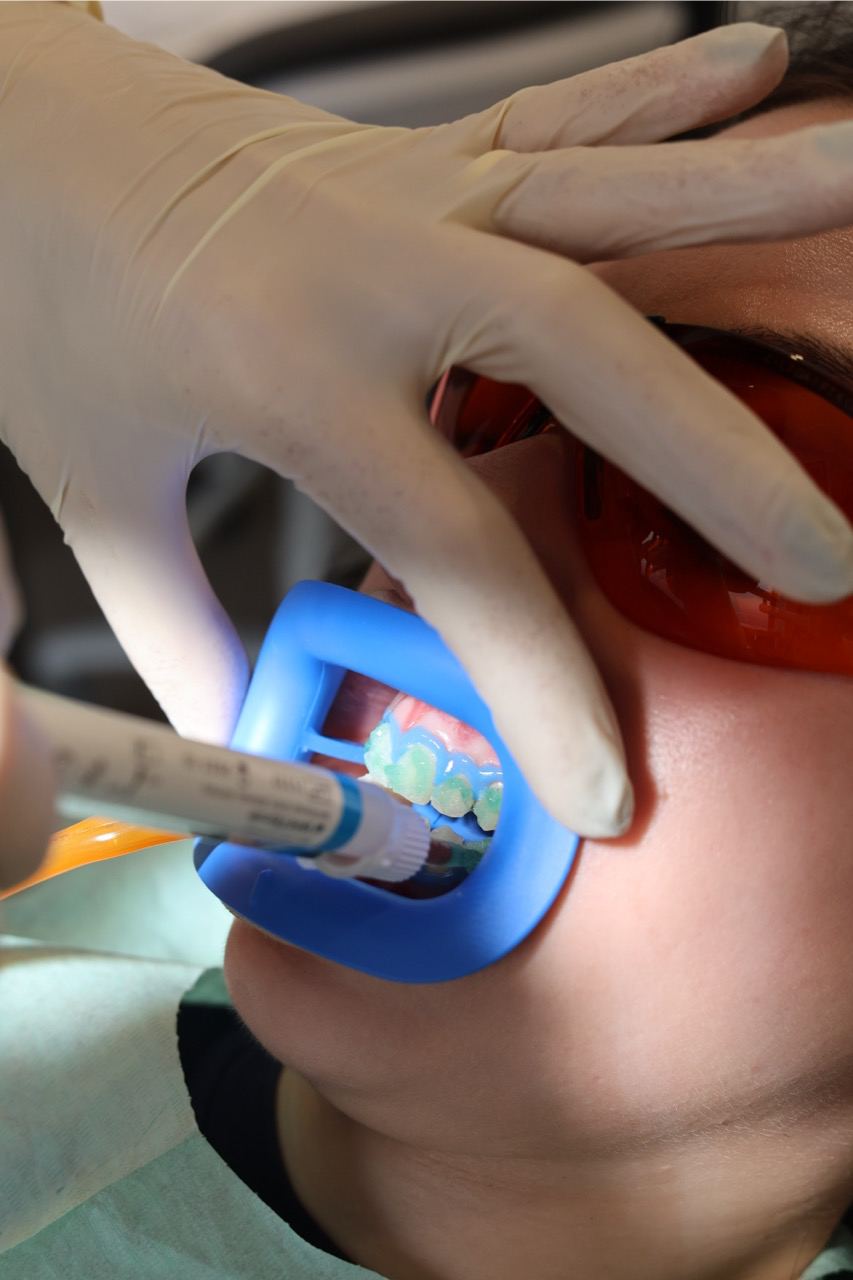
Teeth Whitening
Teeth whitening is a cosmetic dental procedure that aims to reduce discoloration that develops over time on the surface...
Explore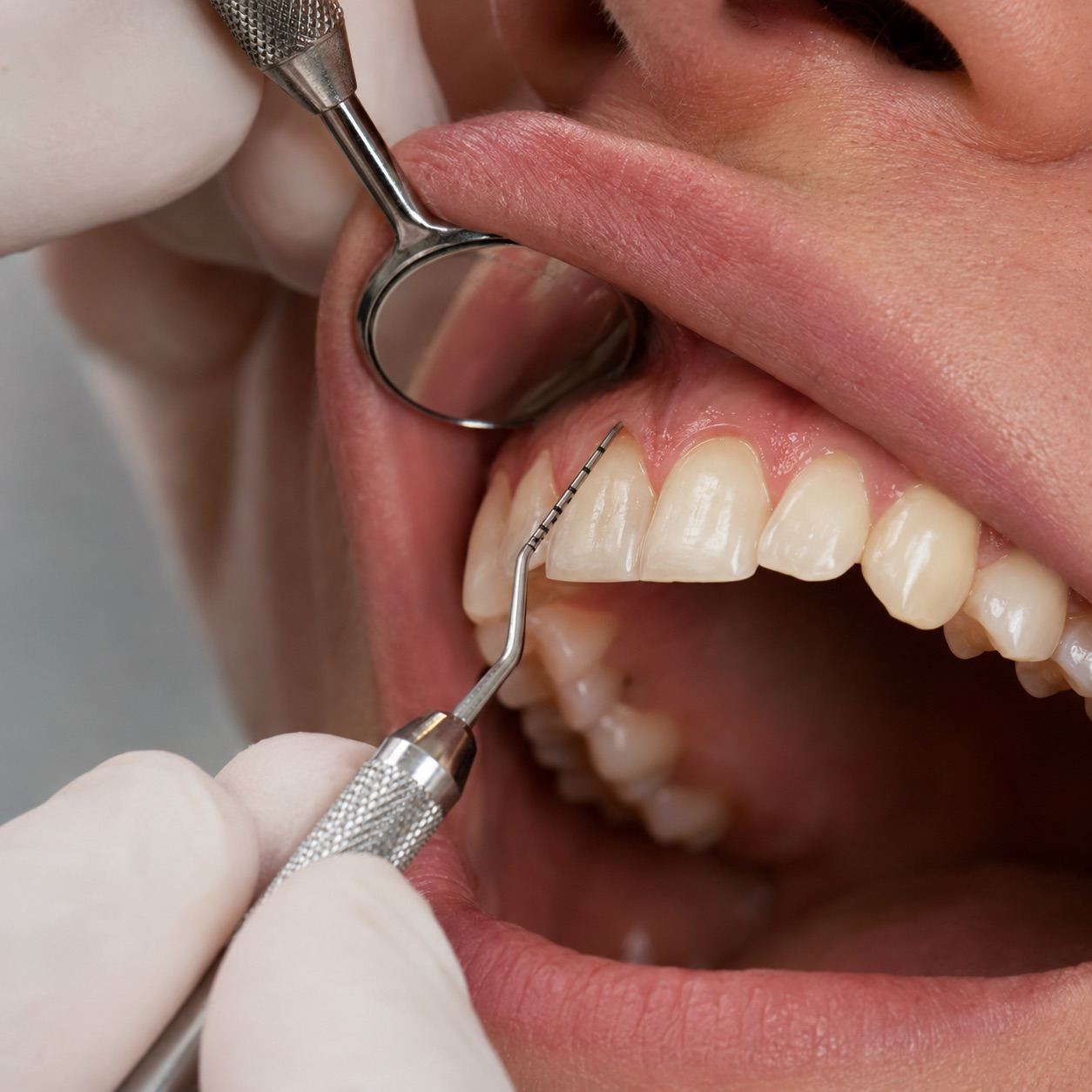
Gum Disease and Periodontal Surgery
Gum diseases are inflammatory diseases that affect the gums, the tissues surrounding the tooth roots and the jawbone tha...
Explore