
Fillings and Digital Restorative Treatments
Fillings and Digital Restorative Treatments
Fillings and restorative dental treatments aim to repair tooth tissue damaged by decay, fracture, wear or shape defects. The goals of treatment are to preserve the natural structure of the tooth as much as possible, restore chewing function and improve aesthetic appearance.
Thanks to today's aesthetic filling materials and digital applications, restorations can be prepared to match the natural color, shape and surface features of the teeth. At Dent Assos, every treatment is planned individually according to the patient's oral and dental structure, needs and expectations.
Restorative dentistry involves reshaping damaged tooth tissue with suitable materials and making it functional again. Many procedures, from removing decay and repairing broken teeth to aesthetic fillings and closing small gaps between teeth, fall within the scope of restorative dentistry.
The scope of treatment is determined by the amount of tooth structure lost, where the damage is and the condition of the remaining healthy tooth tissue. The aim is not only to fix the current problem but also to support long-term oral health by preserving natural tooth tissue.
An aesthetic filling is a restorative procedure performed with tooth-colored composite materials. The color of the filling material is chosen to match the patient's natural tooth color, and it is shaped according to the anatomical structure of the tooth.
These fillings can be used on both front and back teeth. On front teeth, aesthetic appearance comes first, while on back teeth chewing function and durability are also taken into account. The success of the procedure depends on the condition of the tooth, the material used, oral care and regular check-ups.
Composite bonding is a conservative treatment method in which a special tooth-colored material is applied to the tooth surface to improve its shape and appearance. One of its main advantages is that it can usually be performed with minimal intervention on natural tooth tissue.
Composite bonding can be considered in the following cases:
- Repairing small chips in the front teeth
- Closing small gaps between teeth
- Adjusting the shape and size of teeth
- Correcting minor color and surface irregularities
- Reshaping worn tooth surfaces
- Correcting small aesthetic irregularities in the smile line
Not every case is suitable for bonding. The decision is made by evaluating the bite, the existing tooth tissue and the patient's expectations.
Digital restorative dentistry refers to the use of digital technologies in treatment planning and in preparing restorations. In suitable cases, a detailed image of the teeth can be created using intraoral scanners and digital measurement methods.
The digital data obtained helps plan restorations that fit the structure of the tooth and the surrounding tissues. This makes it possible to prepare fillings, inlays, onlays and other restorations in a more controlled and personalized way.
The method to be used is determined by the dentist according to the amount of tooth structure lost and the requirements of the treatment.
Before treatment, the tooth and its surrounding tissues are examined in detail. When necessary, radiographic images are used to assess the extent of the decay or damage.
After the decayed or damaged tissue is removed, the remaining healthy tooth structure is restored with a suitable filling material. The restoration is shaped to match the natural form of the tooth and the bite is checked. In the final stage, the filling surface is finished and polished.
The duration of the procedure and the steps involved may vary depending on the number of teeth to be treated and the extent of the damage.
Aesthetic fillings and bonding can offer the following benefits:
- An appearance that matches the natural tooth color
- An approach that helps preserve healthy tooth tissue
- Repair of broken, cracked or worn areas
- Correction of small aesthetic problems in tooth shape
- Renewed support for chewing function
- Personalized color and shape planning
- In some cases, completion in a short time
Results may vary depending on the current condition of the tooth, the treatment plan and the patient's oral care habits.
After treatment, it is important to keep up regular oral and dental care. Brushing your teeth at least twice a day, cleaning between your teeth with suitable products and attending regular dental check-ups are recommended.
Habits such as cracking hard objects with your teeth, biting your nails or clenching your teeth can damage restorations. If you notice a filling breaking, changing color, becoming sensitive or developing surface defects, you should see your dentist.
At Dent Assos, aesthetic fillings, composite bonding and digital restorative treatments are planned according to the patient's needs. At the first examination, damage to the tooth tissue is evaluated and detailed information is given about the treatment options available.
If your teeth have decay, fractures, wear, or color or shape problems, you can contact Dent Assos and book an examination appointment.
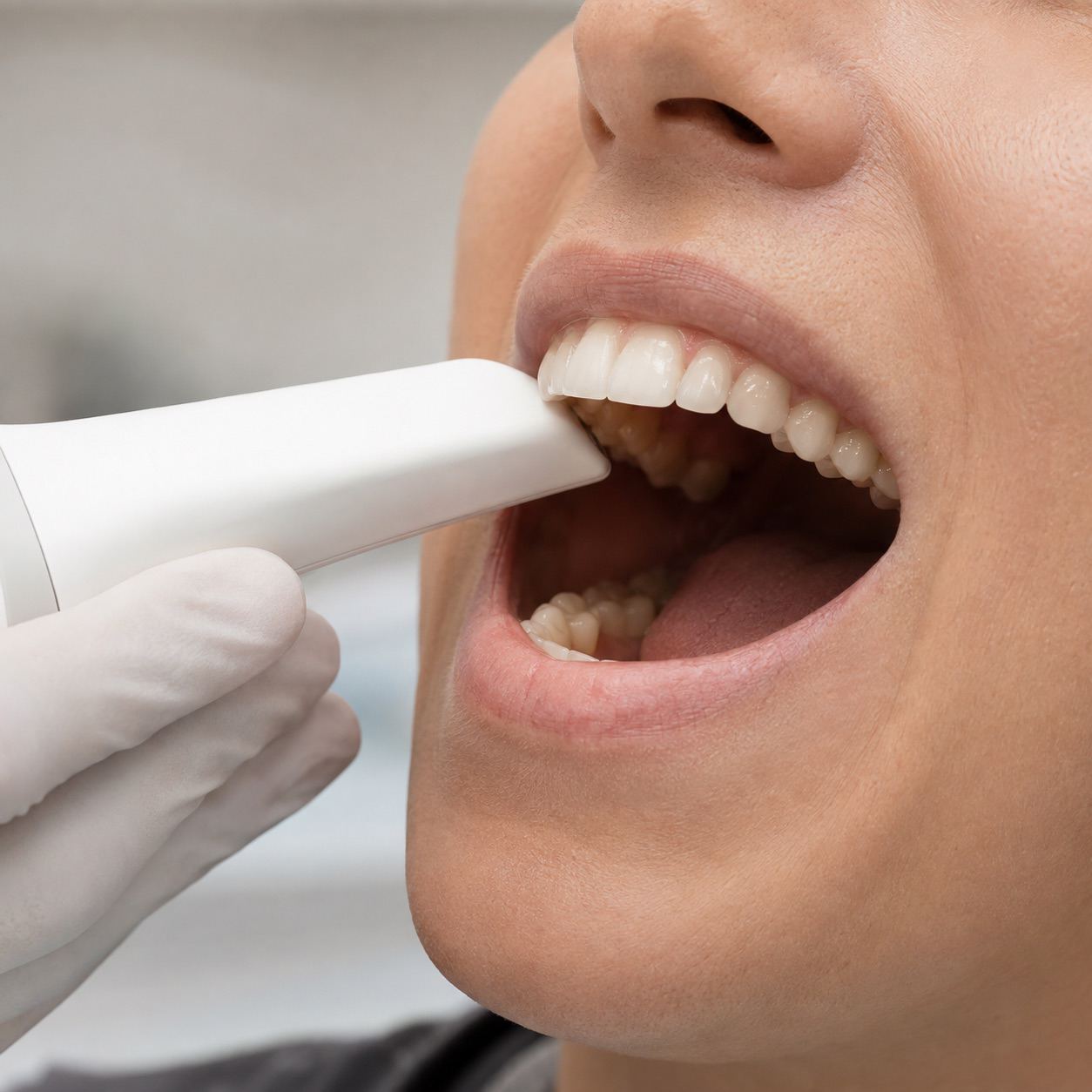
When Are Fillings Needed?
At Dent Assos, depending on the condition of the tooth, we decide together on the most suitable option, from direct composite fillings to inlays and onlays made from digital impressions.
Teeth with structure lost to decay
Broken or cracked pieces of teeth
Discolored or worn-out fillings
Small chips and gaps in the front teeth
Teeth shortened by wear
Back teeth with major loss of structure
Plan your first visit to Dent Assos Dental Clinic.
Contact us to learn about the right treatment process for you and to plan your appointment.
Frequently asked questions about Fillings and Digital Restorative Treatments.
An aesthetic filling repairs decay, fractures or shape defects using tooth-colored composite materials. The color and form of the filling are prepared to match the natural teeth.
It can be considered for closing small gaps between teeth, front tooth fractures, wear and minor shape defects. Suitability is determined by examining the structure of the teeth and the bite.
Depending on the extent of the procedure, local anesthesia may be used. Some superficial and limited procedures may not require anesthesia. Short-term sensitivity may occur after the procedure.
How long they last depends on the size of the filling, the tooth it is in, chewing forces and oral care. The margins and surface of fillings should be evaluated at regular check-ups.
It means using digital technologies to take impressions of the teeth, design restorations or produce them. The digital method used is determined by the type of restoration to be made.
Explore our treatment options.

Treatment of Jaw Disorders
Harmony between the jaws and with the overall structure of the face is important not only for an aesthetic smile but als...
Explore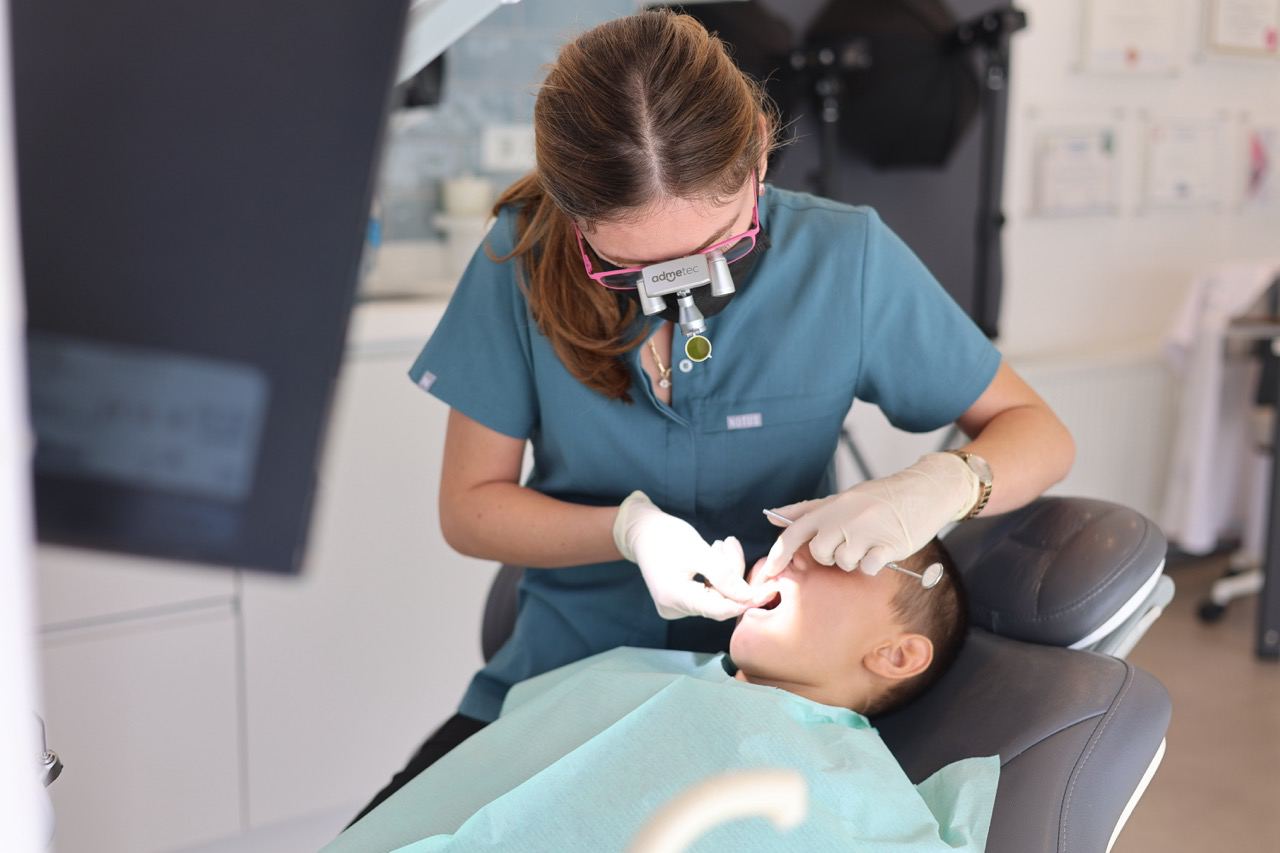
Pediatric Dentistry
Pediatric dental treatment covers dental procedures that aim to monitor the healthy development of children's baby and p...
Explore
Gum (Pink) Aesthetics
Pink aesthetics refers to periodontal procedures that aim to improve the health, shape, color and level of the gum tissu...
Explore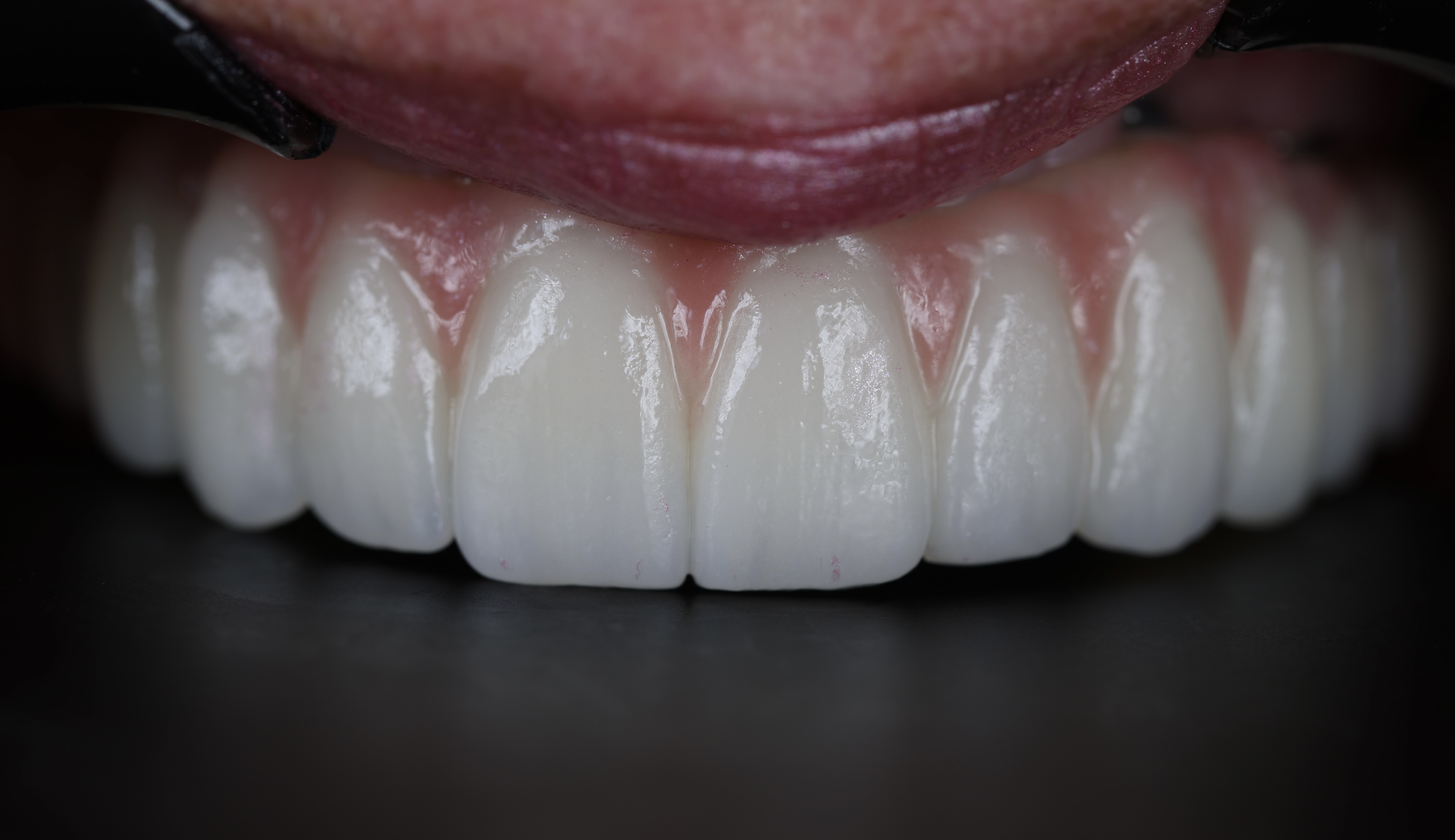
Dentures and Dental Prostheses
Dental prostheses are custom-made restorations designed to restore missing, severely damaged or lost teeth both aestheti...
Explore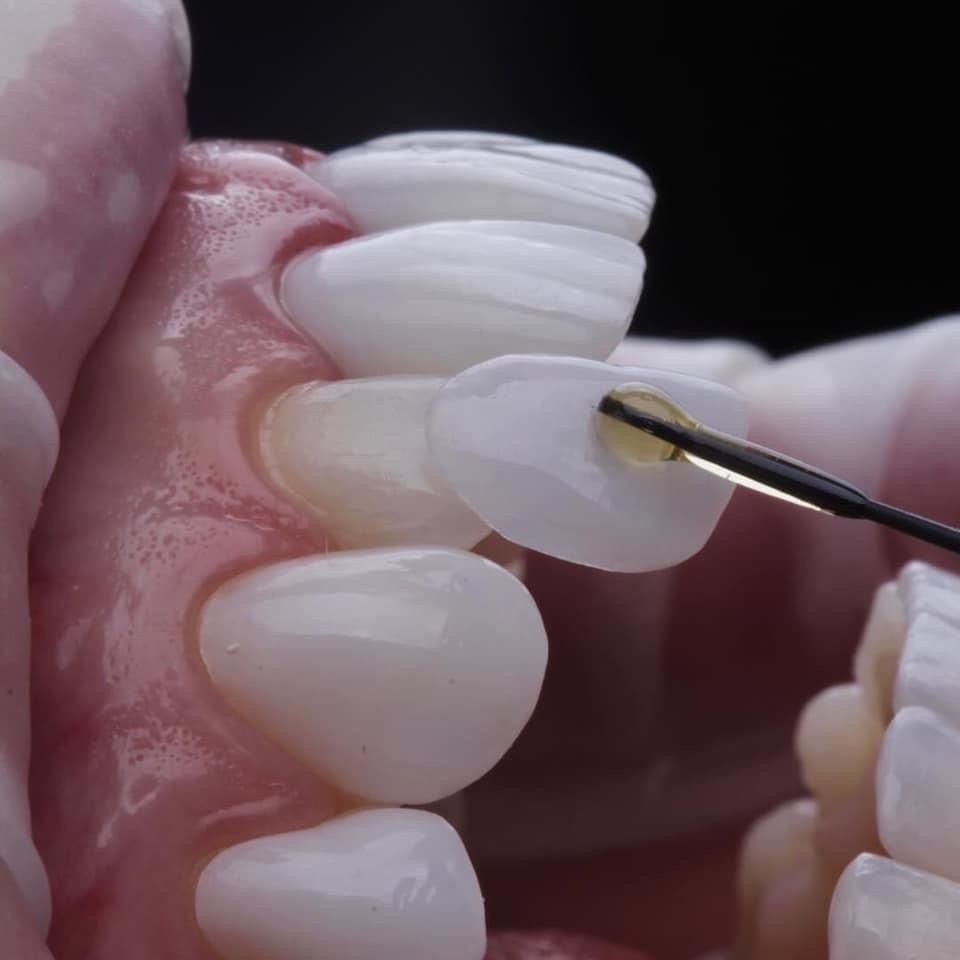
Porcelain Veneers
Porcelain veneers are a cosmetic dental treatment that uses thin ceramic restorations applied to the front surface of th...
Explore
Zirconia Crowns
Zirconia crowns are a treatment method in which teeth that have lost structure or need aesthetic improvement are covered...
Explore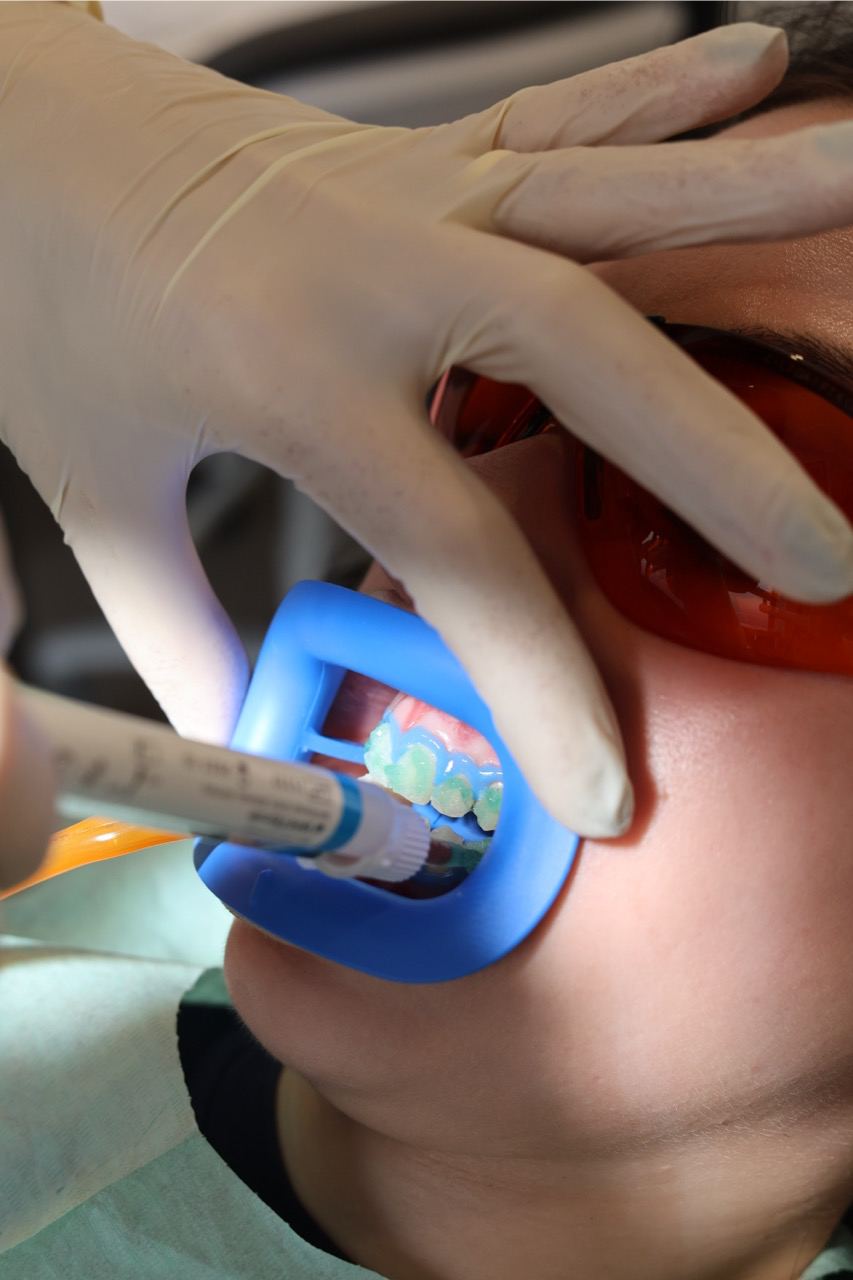
Teeth Whitening
Teeth whitening is a cosmetic dental procedure that aims to reduce discoloration that develops over time on the surface...
Explore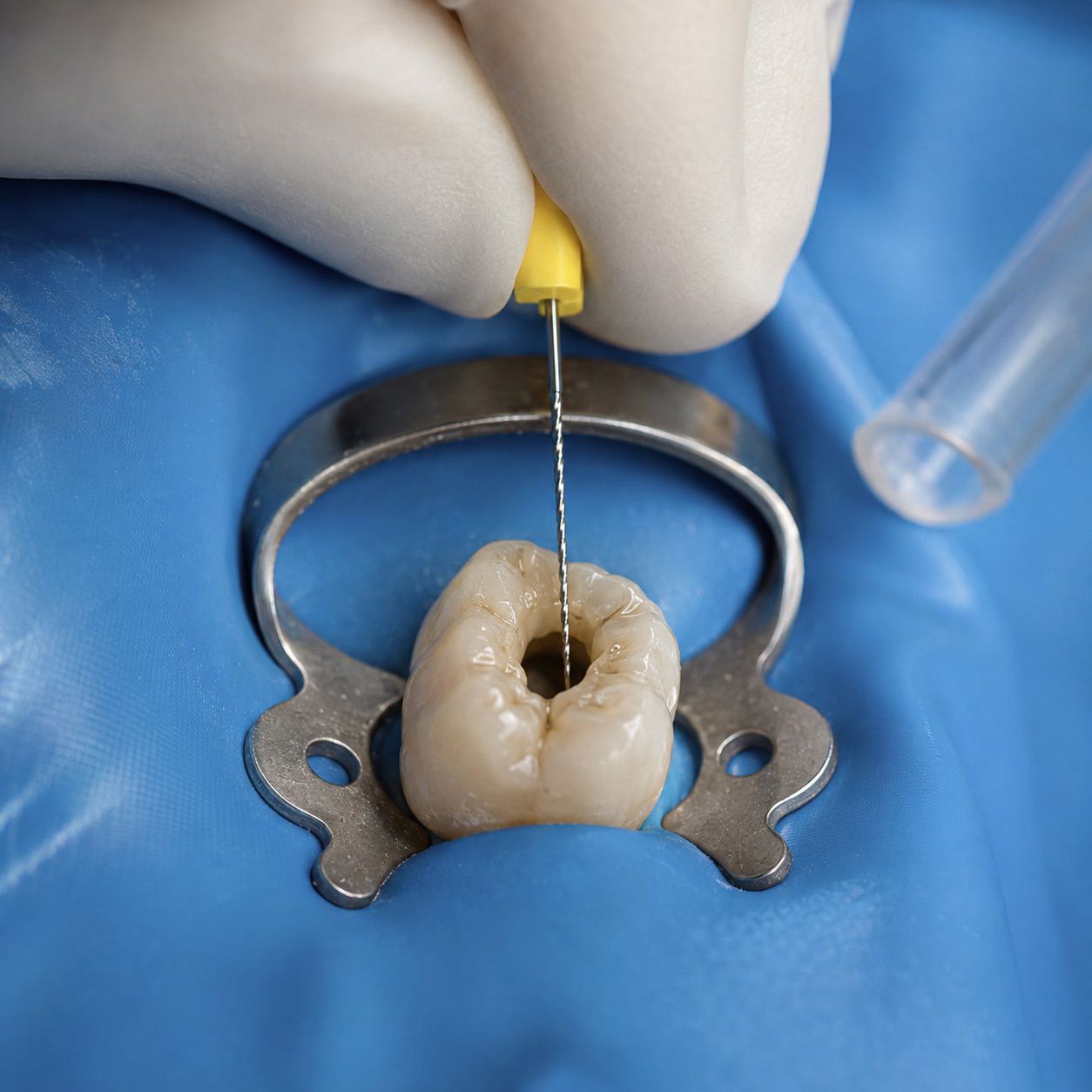
Root Canal Treatment
Root canal treatment is performed when the pulp tissue inside the tooth becomes infected or is irreversibly damaged. Dur...
Explore