As in every area of life, technology is actively used in dentistry, and especially in orthodontics, where it is now accepted as a natural part of the treatment process. Developments such as digital planning, 3D printing and artificial intelligence both increase patient comfort and help the treatment process progress in a more controlled way.
This article is based on the views of our orthodontist, Dr. Ela Uzun, on clear aligner treatment.
Personalized Treatment with Digital Planning
In clear aligner treatment, tooth movements are planned digitally from the very beginning and designed individually. The current condition of the teeth and their target position are evaluated on three-dimensional models.
When necessary, these plans can be updated quickly. If the teeth move differently than expected during treatment, a new plan can be made so that treatment continues in a flexible and individualized way.
Clear Aligners Produced with 3D Printing
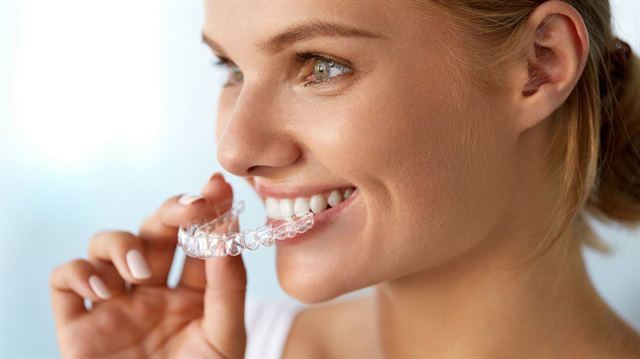
Thanks to 3D printing methods, clear aligners can now be fully personalized. Each aligner is produced according to the patient's teeth and the movement to be achieved at that stage of treatment.
The design of the aligners and the special force features built into their inner surface help tooth movements take place in a more controlled and effective way.
The Role of Artificial Intelligence in Orthodontics
Artificial intelligence increases the predictability of results by helping to analyze large amounts of data in treatment planning. Thanks to these technologies, which support the organization of treatment steps, patients can see the smile targeted at the end of treatment much more realistically before treatment begins and can anticipate what will happen at each stage of the process.
However, artificial intelligence and digital tools do not replace the orthodontist; evaluating and approving the plan and managing the treatment always remain the orthodontist's responsibility.
Remote Monitoring and Continuous Communication
Digital technologies also strengthen communication between patient and orthodontist. Patients can follow their treatment on their phone or computer and share their progress with their orthodontist through digital platforms.
This opportunity for continuous communication increases patients' motivation and has a positive effect on their compliance with treatment. Even so, regular clinical check-ups remain an essential part of treatment.
What Does the Future Hold for Orthodontics?
Developments in digital planning, 3D printing and artificial intelligence are making clear aligner treatment both more accessible and more attractive. In the coming years, treatments are expected to become even more personalized and more patients are expected to choose this method.
Digital Orthodontics in Çanakkale
At Dent Assos, clear aligner treatments are prepared individually using digital impressions and planning. To evaluate together the smile you can achieve at the end of treatment, you can contact our clinic and book an appointment.